

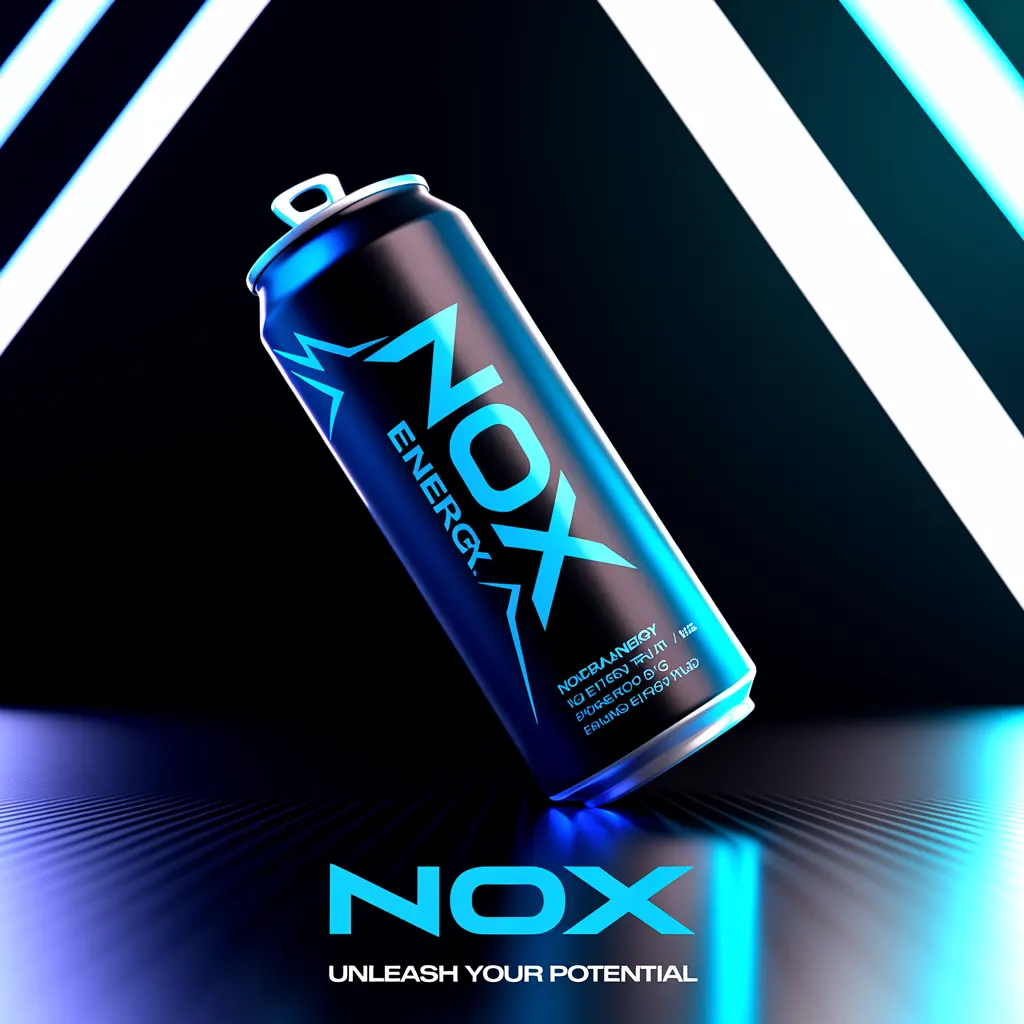
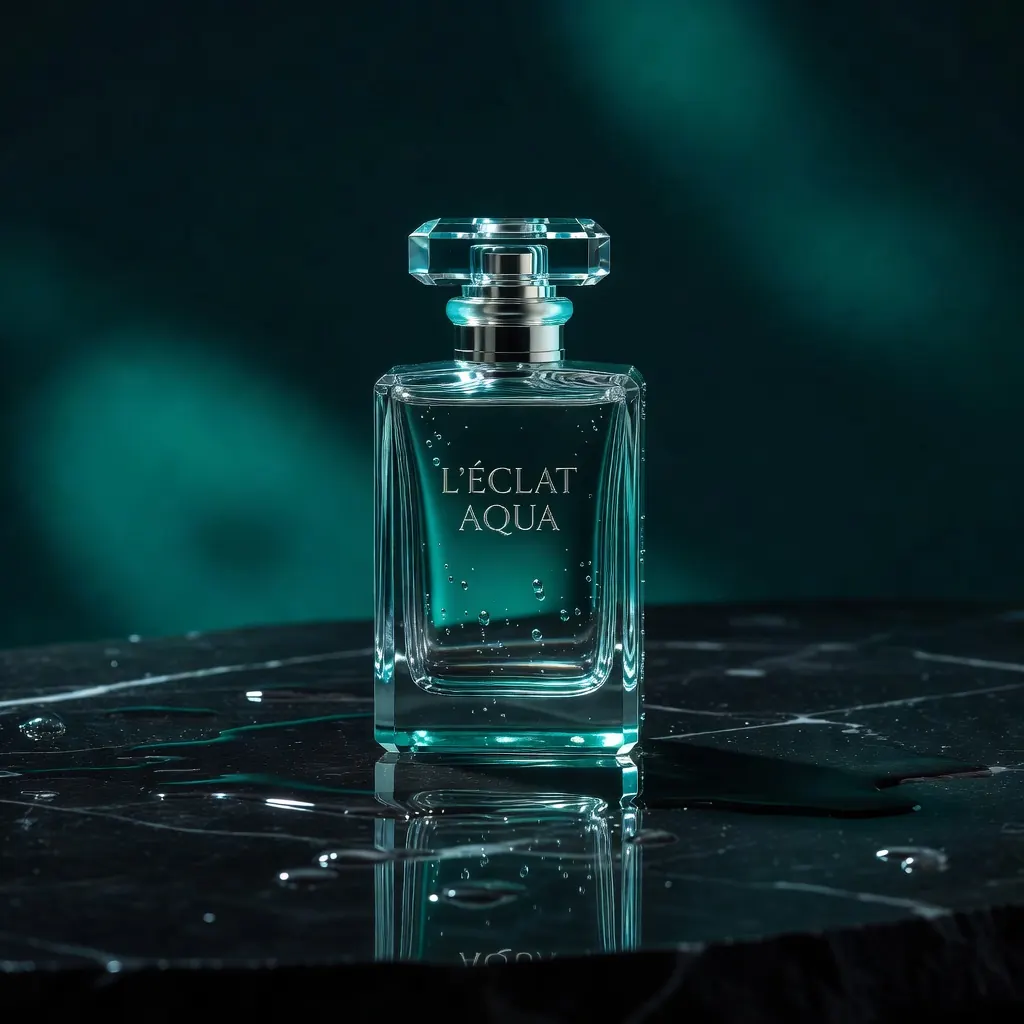



A product launch does not need to begin with a shoot schedule, a casting call, and a week of editing. You can make social reels from text when the idea is clear enough to direct: who the audience is, what they should notice first, and what action the reel should earn.
For marketers, founders, and ecommerce teams, that shift matters because short-form video is rarely a one-and-done asset. You need multiple hooks for paid testing, fresh angles for organic posts, seasonal variations, and new versions when an offer changes. Text-led production turns that demand into a repeatable creative workflow rather than a recurring bottleneck.
Why Text Is a Better Starting Point for Reel Production
A text prompt is not just a request for a video. It is a compressed creative brief. It can define the product, setting, talent, visual style, pacing, on-screen message, voiceover, music mood, and intended viewer response before production begins.
That gives teams a practical advantage. Instead of trying to repurpose one expensive hero video into ten slightly different posts, they can build distinct concepts around the same campaign objective. A skincare brand can test a clinical product-demo reel against a calming routine reel. A SaaS company can test an anxiety-driven problem statement against a direct feature reveal. The offer stays consistent while the creative does the real work of finding attention.
Text-to-reel workflows also make early-stage ideas cheaper to challenge. If a concept reads weakly in a short script, it will not improve because it was filmed with better equipment. Start with the message, then give that message visuals and motion that make people stop scrolling.
How to Make Social Reels From Text in a Production Workflow
The fastest route is not feeding a vague sentence into a generator and accepting the first result. High-performing reels still need creative direction. The difference is that direction can happen in minutes and revisions do not require a new production crew.
Start with one job for the reel
Choose a single outcome. A reel can introduce a new product, demonstrate a benefit, build desire, answer an objection, or drive a sale. Trying to accomplish all five in 20 seconds usually produces a crowded message with no memorable point.
Write the objective as a sentence: “Show busy parents why this product makes weekday lunches easier,” or “Get first-time visitors to understand the result our software delivers.” That sentence should guide every production choice that follows.
Then define the audience and the friction they feel. Broad targeting creates generic creative. “People who need better organization” is not as useful as “independent consultants who lose billable time chasing client approvals.” Specificity gives the reel a sharper hook and more believable scenes.
Write for the first two seconds
The opening frame is your real headline. It needs to make a claim, expose a relatable problem, create contrast, or show an outcome worth seeing. Product names and polished logos rarely earn attention by themselves unless the brand is already well known.
Use direct language. “Your product photos are costing you sales” is more immediate than “Improve your ecommerce experience.” “This is what a clutter-free carry-on looks like” gives viewers a clear visual payoff. Match the line to an image that proves it quickly.
A useful short-form structure is simple: hook, proof, payoff, action. The hook earns attention. Proof shows the product or outcome in context. The payoff makes the benefit tangible. The action tells viewers what to do next, whether that is shopping, saving, commenting, or learning more.
Keep the script tight enough to breathe. A 15-second reel may only need 30 to 40 spoken words. On-screen copy should reinforce the voiceover, not repeat every word of it. If people watch without sound, they should still understand the premise. If they listen, the audio should add momentum and personality.
Turn the script into scenes, not one long prompt
Generative video performs better when a reel is treated as a sequence of purposeful shots. Plan three to six scenes, each with one visual idea. This gives you more control over pacing and makes weak moments easier to replace.
For example, a reel for a reusable water bottle might move from a close-up of a leaking bag, to the bottle locking shut, to an active commuter dropping it into a tote, and finally to a clean product shot with the offer. Each scene has a job. The finished reel feels like a story instead of a moving catalog image.
Describe scenes with production details that affect the final output: vertical 9:16 framing, subject placement, lighting, lens feel, camera movement, background, color direction, and mood. “Premium wellness product on a bathroom counter” leaves too much open. “Vertical close-up of a matte white serum bottle on pale stone, early morning window light, slow push-in, minimal editorial beauty campaign” provides a usable visual target.
Build Creative Assets That Feel Like One Campaign
Consistency is where many AI-generated reels lose credibility. Individual clips can look impressive while the complete edit feels like unrelated footage. Establish a visual system before generating variations.
Decide on a color palette, product treatment, lighting style, talent profile, typography, and music direction. If the campaign is clean and elevated, do not mix an editorial studio shot with a neon street scene unless contrast is central to the concept. If the product has specific packaging, logos, or claims, review every scene before it enters the edit.
This is also where an integrated studio has an advantage. In Nox AI, teams can move from prompt-driven images and video to voiceover, music, and finished ad creative without sending assets across disconnected tools. The goal is not more generation for its own sake. It is fewer handoffs between concept and a usable vertical video.
Voiceover should sound like a person with a reason to say the line. Set the pace based on the creative. Fast, conversational delivery can suit a problem-solution ad. A slower read may fit premium beauty, travel, or luxury products. Music should support the cut without competing with the key message. If viewers cannot hear the product name or offer, the track is doing too much.
Edit for Mobile Viewing, Not a Desktop Timeline
A reel is consumed in a feed surrounded by competing posts, notifications, and partial attention. Make the subject clear at a glance. Use large, high-contrast text and keep critical copy away from interface areas near the top and bottom of the screen.
Change the visual before attention drops. That does not mean cutting every half-second. A calming brand can use slower movement, but each shot should still reveal new information: a texture, a use case, a reaction, a result, or a detail that supports the promise.
Review the reel at normal phone size before publishing. Desktop previews can hide unreadable captions, tiny products, awkward crops, and transitions that feel slower than they do in a feed. Watch it once with sound and once without it. Both versions should communicate the main idea.
Create Variations Without Rebuilding the Campaign
The real commercial value of text-led reels is iteration. Once you have a winning product angle and visual direction, generate controlled variations instead of starting from zero. Change one major variable at a time so you can learn from performance.
Test a different opening line, a new audience scenario, a stronger proof point, or a different call to action. Keep the product, offer, and general edit style stable when possible. If every version changes at once, results are harder to interpret.
For paid campaigns, build a small set of purposeful tests. One reel can lead with a pain point, another with a transformation, and another with a product demonstration. For organic content, use the same core idea in a founder-led, educational, customer-story, or trend-aware format. The campaign stays coherent while the feed stays fresh.
Avoid using AI generation as an excuse to publish unfinished ideas faster. More creative volume is useful only when the work still respects brand standards, platform policies, product accuracy, and audience expectations. Claims need approval. Product details need verification. Generated people and environments should support the message, not distract from it.
The Best Prompt Is a Clear Creative Decision
Text can now initiate a full reel production pipeline, but it cannot replace judgment. The teams that get the most from generative creative are not the ones writing the longest prompts. They are the ones making decisive choices about audience, message, proof, and format before they generate.
Start with one customer tension worth solving. Give it a visual payoff people can understand in seconds. Then make enough thoughtful versions to find the reel that deserves more budget, more reach, and the next creative iteration.