

A product shot that feels like a real commercial, a creator-style social clip, or a cinematic campaign opener can now start with a written prompt. That is the practical appeal behind this Kling video generator review: it is built for teams that need more visual output without adding another production calendar, location shoot, or editing handoff.
Kling is most valuable when it is treated as a creative production engine, not a one-click replacement for a complete campaign. It can turn a strong visual direction into motion quickly, giving marketers and creators more concepts to test before committing time and budget. The results can be striking, but commercial usefulness still depends on prompt quality, shot selection, brand consistency, and what happens after the video is generated.
Kling Video Generator Review: What It Does Well
Kling stands out for its ability to produce expressive, cinematic AI video from text and image inputs. It is especially capable at scenes where motion is the message: a model walking through a city, a close-up product reveal, fabric moving in the wind, a vehicle passing through a dramatic environment, or an abstract visual that sets a campaign mood.
For marketers, that matters because static campaign art often needs a motion-first version for paid social, landing pages, product launches, and short-form organic content. Instead of starting with a shoot, a team can start with a creative hypothesis. Describe the subject, setting, camera movement, lighting, pace, and intended feeling, then generate options worth refining.
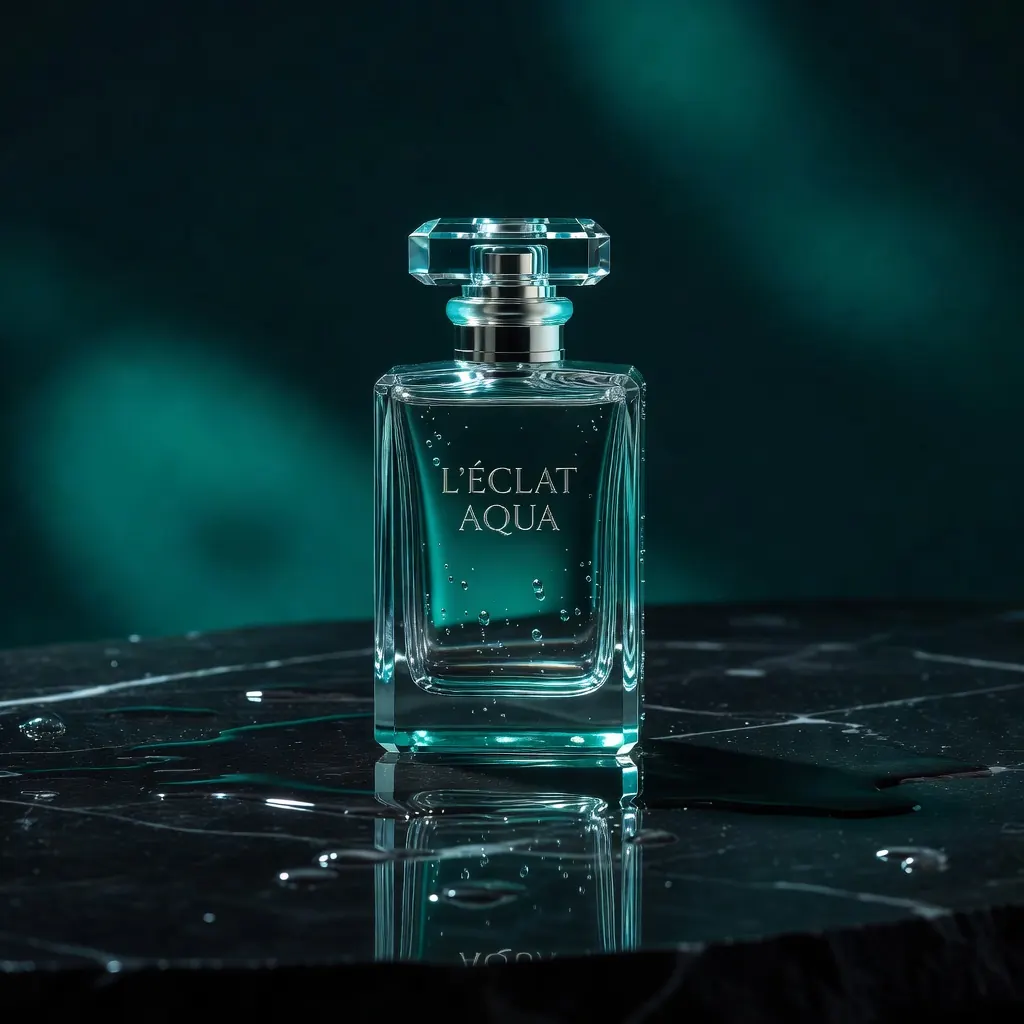
Kling's strongest outputs tend to have a sense of camera language. Prompts that specify a clean scene and one primary action often produce more convincing results than prompts trying to direct five actions at once. A simple request such as a premium skincare bottle on wet black stone, slow push-in, soft studio reflections, can create a useful visual foundation for an ad. It gives an editor room for copy, a logo lockup, music, voiceover, and a clear call to action.
The model is also effective for concept development. Creative teams can visualize shots that would be costly or impractical to film: a product floating through a color-rich environment, a seasonal campaign world, or a lifestyle scene tailored to a narrow audience segment. That speed changes the role of early creative work. You can test the direction before you build the full asset set.
Output Quality Depends on Shot Discipline
The best Kling videos do not come from longer prompts. They come from clear production direction. Treat each generation like a single shot on a shot list, not an entire 15-second commercial compressed into one instruction.
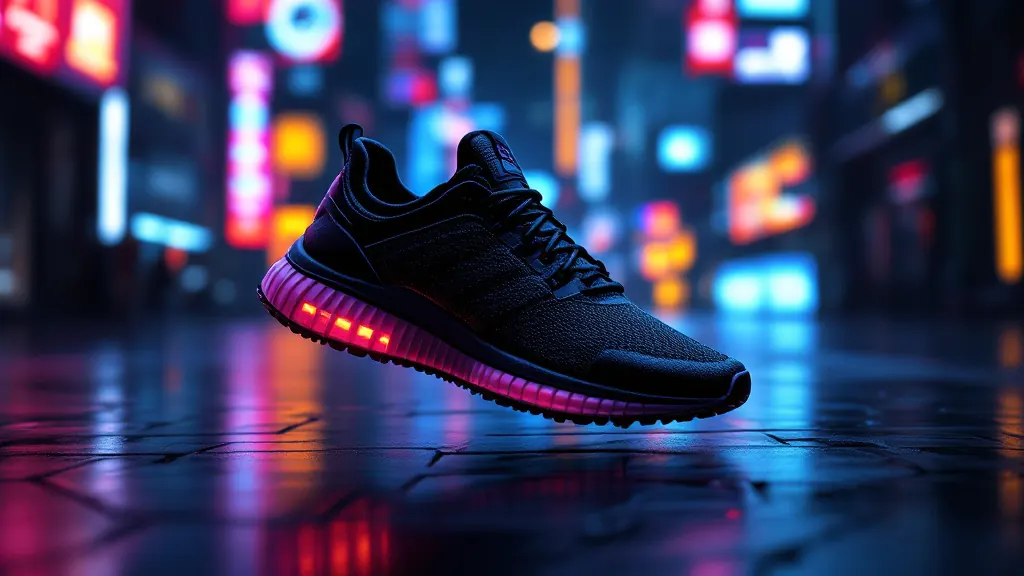
Start with the non-negotiables: what is on screen, where it is, what it does, and how the camera behaves. Then add the visual style. For example, an ecommerce brand might request a close-up of a matte red sneaker stepping onto a rain-slick street at night, low-angle tracking shot, saturated city reflections, premium sportswear campaign. This is more actionable than asking for a viral sneaker ad with cool energy.
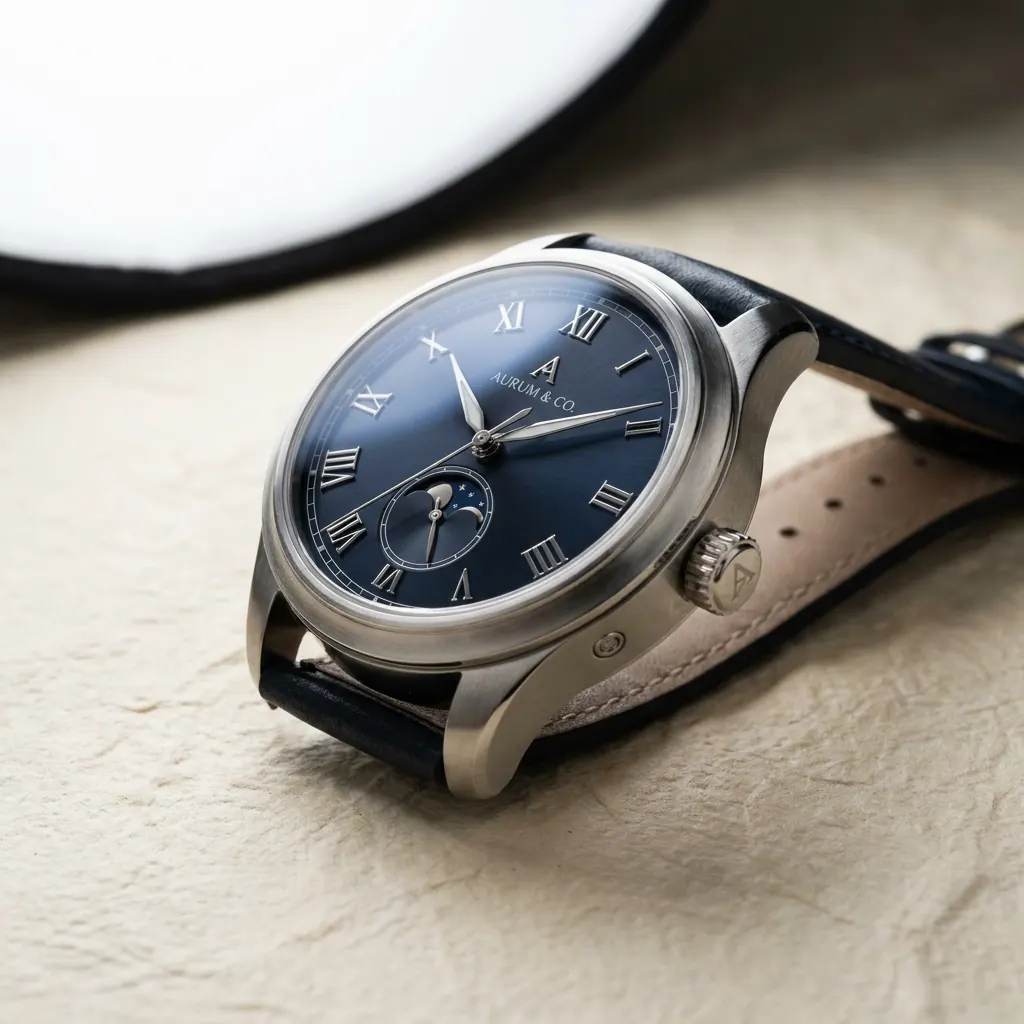
Image-to-video workflows can be even more useful for commercial work because the starting image sets the composition, product appearance, wardrobe, and overall art direction. If a campaign needs a specific packshot or branded key visual, establish that frame first. Then use motion to add subtle camera movement, environmental activity, or a product interaction.
This approach reduces a common AI-video problem: visual drift. Across a longer generated sequence, faces, logos, packaging, hands, and small product details can shift. A controlled source image and a short motion brief make it easier to preserve what the audience needs to recognize.
There is a trade-off. Highly dynamic scenes can look more impressive at first glance, but restrained movement is often more usable in performance creative. A clean product rotation, a short dolly shot, or a controlled lifestyle gesture may outperform a chaotic action scene because the offer and visual hierarchy stay intact.
Controls That Matter for Commercial Creative
Kling gives creators a path beyond generic text-to-video experimentation by supporting motion built around a visual reference. That is important for teams that have an existing product image, brand character, or art-directed campaign frame and want motion without starting from zero.
The working process should be iterative. Generate several versions of one shot direction, choose the clip with the best subject consistency and movement, then build the next shot around it. Trying to force every visual beat into a single result usually creates more cleanup work than it saves.
For marketing teams, the most valuable controls are not always the most technical ones. The practical questions are straightforward: Can the asset hold attention in the first second? Is the product recognizable? Is there enough clean space for text? Does the movement support the message rather than compete with it? Can the scene be cropped or repurposed for the placements that matter?
Kling can provide the motion layer, but it does not eliminate the need for an ad assembly process. Most finished campaign videos still benefit from a separate edit that adds brand typography, approved claims, captions, legal language, voiceover, music, and platform-specific pacing. That is where a unified workspace has an advantage. Nox AI brings video generation together with image creation, voice, music, and finished ad production so teams can move from a prompt to a complete commercial asset without managing disconnected tools.
Where Kling Falls Short
Kling is not the right tool for every type of video requirement. If a campaign demands frame-perfect product geometry, exact logo treatment in every second, precise spoken dialogue, or a multi-scene narrative with recurring characters, generation alone may not be dependable enough. It can supply strong shots, but the final asset needs review and often a human-led edit.
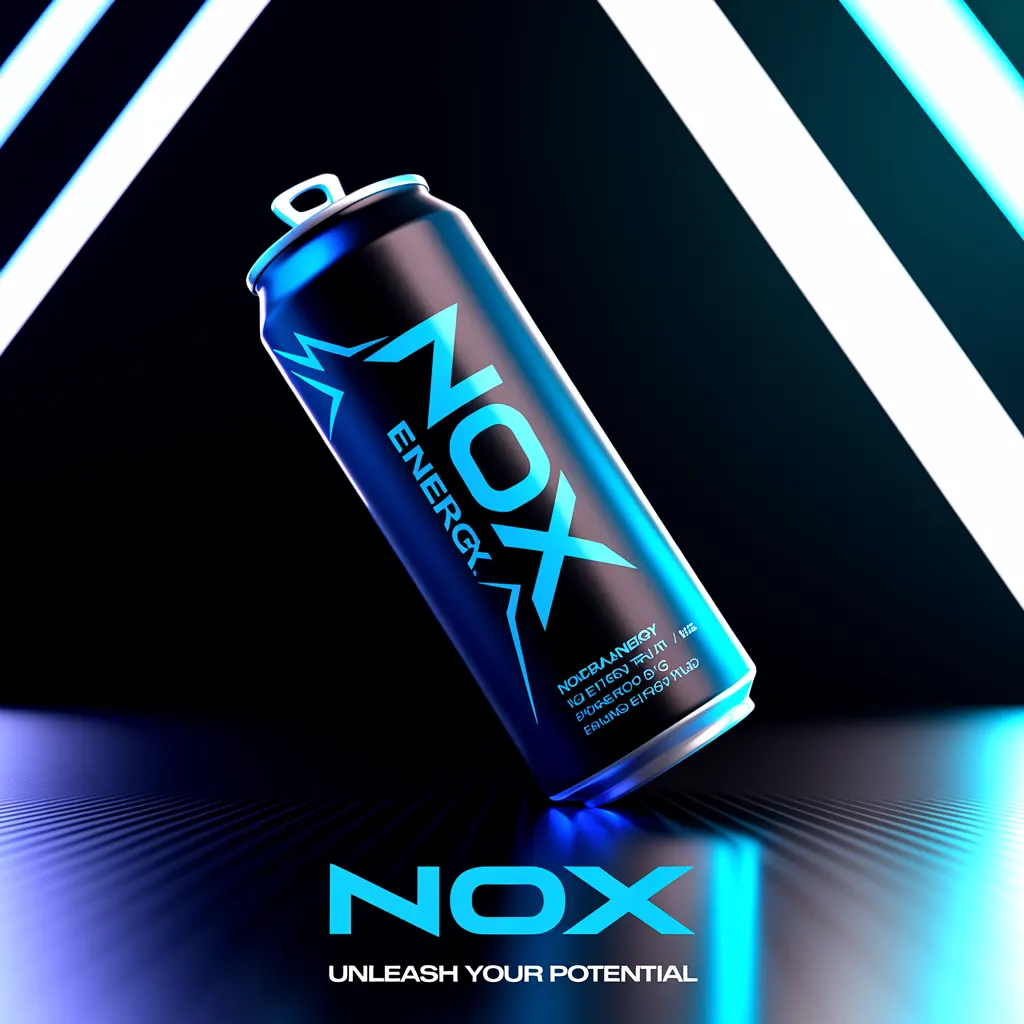
Text inside generated video deserves particular caution. Brand names, product labels, on-screen offers, and small packaging copy can render inaccurately or change between frames. For paid advertising, add approved text later in an editor rather than relying on the model to produce it inside the scene.
Human anatomy and complex interactions are another variable. Hands handling products, crowded scenes, fast sports movement, and multiple people interacting can produce occasional inconsistencies. The issue is not that these shots are unusable. It is that they require more generations and more selective curation. When speed matters, simplify the action and keep the camera focus clear.
There is also a strategic limitation: beautiful video is not automatically effective video. A cinematic clip without a defined offer, visual hook, audience, or distribution context can become an expensive-looking distraction. Use Kling to make the creative idea stronger, not to avoid making a creative decision.
Who Should Use Kling?
Kling is a strong fit for ecommerce operators creating fresh product angles, social teams building short-form visual volume, agencies pitching campaign directions, and founders who need launch content before a traditional shoot is realistic. It works particularly well for brands with a clear visual identity and enough creative discipline to turn generated clips into a repeatable production system.
It is less suited to teams that need every video to be an exact digital twin of a physical product or a polished, long-form brand film with uninterrupted continuity. In those cases, Kling can still help with previsualization, mood films, background footage, transitions, or supporting social cutdowns. The right role depends on the risk level of the asset and how exact the final output must be.
A useful way to evaluate it is to run a focused test. Pick one product, one audience, and one campaign message. Generate three different hooks, each built from short shots rather than one long narrative. Add the same copy and offer to every version, then compare completion rate, click-through rate, and conversion performance. That test will tell you far more than judging isolated AI-video clips in a gallery.
Kling is at its best when it shortens the path from a campaign idea to a usable visual asset. Give it a clear shot, protect the elements your brand cannot compromise on, and save the final polish for the stage where messaging, sound, and performance come together.