

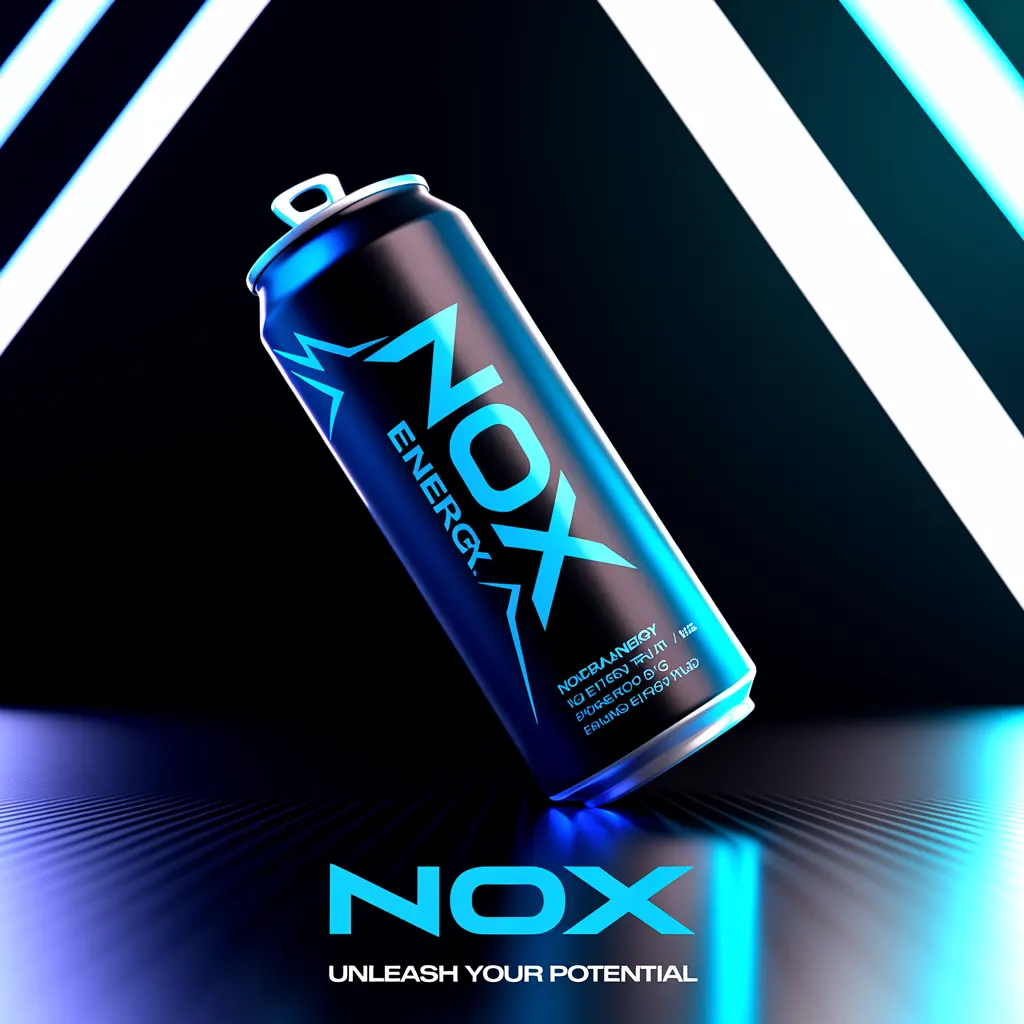
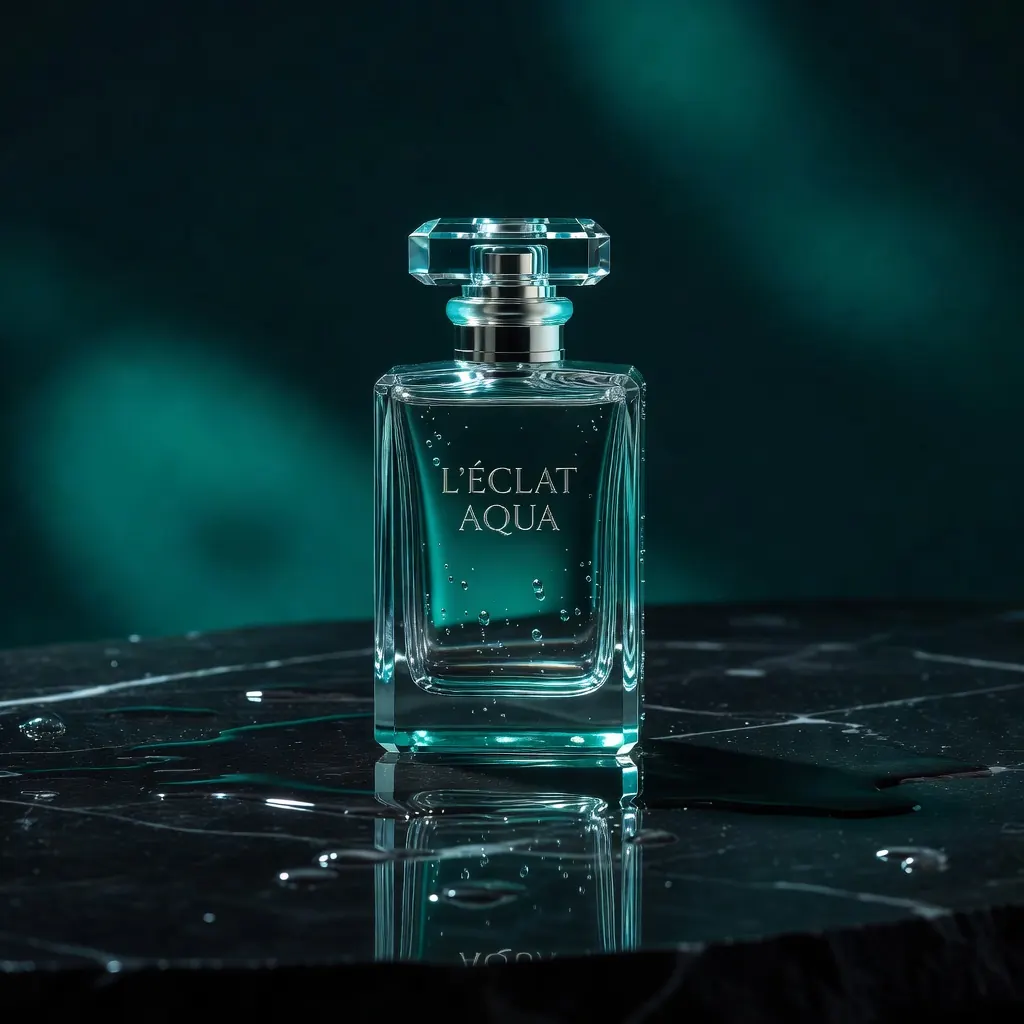




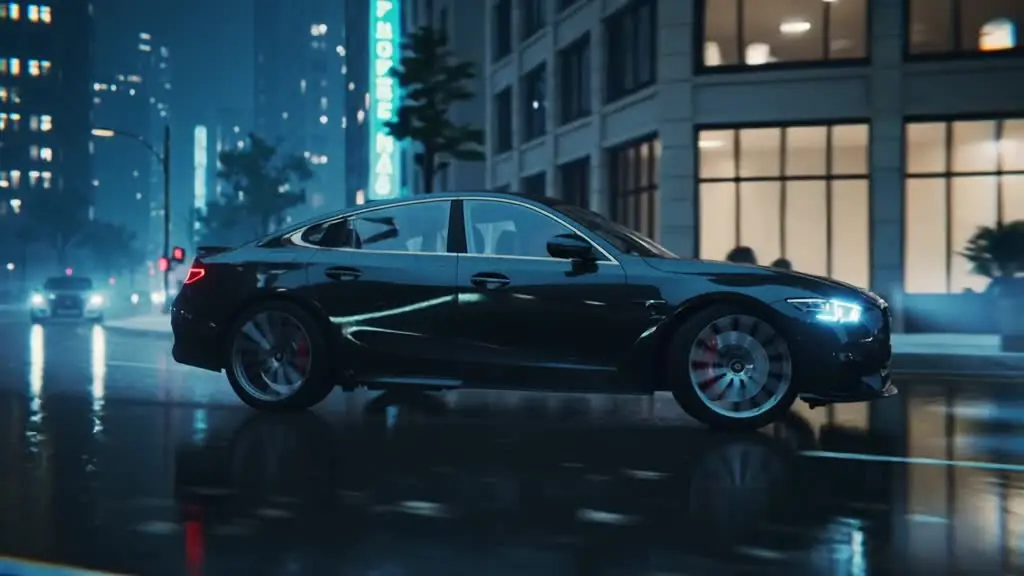

A paid social campaign can lose momentum before the first ad ever launches. The offer is ready, the landing page is live, and the media budget is approved, but visual production is still waiting on a brief, a shoot, revisions, and final exports. Image generation changes that timeline by giving marketing teams a faster way to turn a campaign concept into usable creative.
For marketers, founders, ecommerce operators, and agencies, the value is not simply making an attractive image from a prompt. It is producing enough relevant, on-brand creative to test ideas properly, respond to performance data, and keep campaigns moving without rebuilding the production process each time.
Image Generation Is a Production System, Not a Party Trick
A single generated visual may be useful for inspiration. A repeatable image generation workflow is useful for growth. The difference comes down to whether the output can support a real marketing objective: selling a product, explaining an offer, setting a campaign mood, or giving an ad enough visual contrast to earn attention in a crowded feed.
Traditional creative production is often built around scarcity. A product shoot produces a fixed collection of images. A designer creates a limited number of variations. Changes to seasonality, audience segments, pricing, or messaging can introduce new rounds of coordination. That process still has a place, especially when a campaign requires a specific spokesperson, a physical location, or exact product photography.
But many campaign needs do not require a new production cycle. A skincare brand may need fresh lifestyle environments around an approved product cutout. A SaaS company may need different conceptual scenes for separate buyer groups. A local service business may need seasonal ad creative ready before its competitors change their messaging. In these cases, generated imagery gives the team more creative routes without adding the same operational drag.
The goal is not to replace every form of production. It is to reserve conventional production for the work that truly needs it, then use generation to create, adapt, and test the rest at campaign speed.
Start With the Outcome, Not the Prompt
Weak prompts usually reflect weak creative direction. Asking for “a luxury product ad” leaves too many decisions unresolved. Before writing a prompt, define the job the image must do.
Is it meant to stop the scroll? Make a product benefit instantly clear? Support a limited-time offer? Establish credibility for a higher-ticket purchase? The answer should influence composition, setting, lighting, subject matter, text space, and format.
A useful creative brief can fit into a few lines: identify the audience, offer, message, visual mood, product details, and destination. For example, an ecommerce team promoting a travel backpack might define its audience as frequent weekend travelers, lead with the benefit of organized packing, use a clean airport setting, and leave open space for a short offer headline. That direction gives image generation a commercial purpose.
Specificity improves results. Include the camera perspective, environment, lighting, color direction, materials, framing, and aspect ratio when they matter. If the visual will become a vertical video ad, compose with that next step in mind. If paid social copy needs room in the top third of the image, state it. The prompt should function like a concise production brief, not a vague mood board caption.
Build Variations Around a Single Creative Hypothesis
More assets are only valuable when they help a team learn something. Instead of generating dozens of unrelated images, create variations around a defined hypothesis.
For a direct-to-consumer brand, the hypothesis might be that product-in-use imagery will outperform isolated studio imagery for a cold audience. Generate several versions that preserve the same offer and product while changing the setting, angle, subject, or visual energy. This creates a cleaner test than changing every element at once.
A practical campaign set may include a hero image, several lifestyle variations, a benefit-led visual, a promotional version with negative space for copy, and a format adapted for stories or short-form video. These assets can share a visual direction while giving the media team enough range to identify what resonates.
This is where creative control matters more than novelty. Keep the product appearance, brand color palette, and audience context consistent. Change the one or two visual variables that relate to the test. The result is a usable asset library, not a folder of one-off experiments.
Design for the Channel Before You Generate
An image that looks strong in a square feed placement can fail in a vertical story, a display banner, or a product detail page. Channel requirements should shape generation from the beginning.
For paid social, the first second of attention matters. Favor a clear focal point, readable contrast, and a composition that still makes sense when the image is viewed quickly on a phone. For ecommerce, product accuracy and visual clarity often matter more than dramatic styling. For landing pages, the image needs to support the headline instead of competing with it.
Text is another common point of friction. Generated text rendering has improved substantially, particularly with models designed for typography, but marketers should still treat exact promotional copy carefully. If a price, offer, legal disclaimer, or product claim must be perfect, generate the visual with intentional space and add final copy in the approved design layer. That approach protects accuracy while keeping production fast.
Format should also be planned as a family. Start with the campaign’s primary placement, then create versions for square, vertical, and landscape use where needed. Cropping an image after the fact can remove the product, facial expression, or visual cue that made the original work.
Protect Brand Consistency Without Flattening the Work
Speed can create a new problem: a campaign library that looks like it came from five different brands. The fix is not to make every visual identical. It is to establish a few creative guardrails that make the work recognizable.
Define the visual ingredients that should remain stable: color range, lighting style, product presentation, level of realism, audience representation, and overall mood. A modern athletic brand might favor bright natural light, kinetic composition, and energetic color. A premium home brand may lean toward restrained styling, warm texture, and deliberate negative space.
Keep a record of prompts and settings that produce approved results. This gives the team a practical starting point for future launches and reduces the time spent trying to recreate a successful direction. Over time, prompt libraries become part of the brand’s production infrastructure.
Human review remains essential. Check generated assets for product inaccuracies, unnatural hands or reflections, confusing details, visual clichés, and claims the business cannot support. For regulated categories, include the same legal and compliance review that applies to any other advertising creative. Fast production should shorten execution, not lower standards.
Move From Still Images to Finished Campaign Creative
A static image is often the first asset, not the final deliverable. A strong hero visual can become a product video concept, a voiceover-supported ad, a story sequence, an email banner, or a set of retargeting variations. The more connected those steps are, the less time a team loses moving files, prompts, and direction across disconnected tools.
This is why an integrated creative workflow matters. Nox AI brings image generation together with video, voiceover, music, and finished ad production so teams can move from an initial idea toward a complete campaign without treating each output as a separate project. A visual direction can stay intact as it develops across formats, while the team focuses on the message and performance goal.
That does not mean every asset needs motion or audio. It means the option is available when the campaign calls for it. A winning still image can become a short video variation quickly. A new product launch can use the same visual system across social, display, and video placements rather than starting from zero for each channel.
Measure Creative Output by What It Enables
The best measure of image generation is not how many images a team can produce in an afternoon. It is whether the process creates better decisions and faster campaign execution.
Track the practical outcomes: time from brief to first testable asset, number of meaningful creative variations launched, cost per creative concept, speed of refreshes, and performance differences between visual approaches. These measures reveal whether generation is reducing bottlenecks or simply increasing output.
There is also a strategic benefit. When creative is easier to produce, teams can test audience-specific messages that were previously too expensive or slow to develop. A founder can validate an offer before committing to a full shoot. An agency can present stronger campaign directions earlier. An ecommerce operator can refresh product storytelling around seasonal demand instead of letting ads go stale.
Treat image generation as a disciplined extension of your creative process: clear brief, focused variations, channel-ready formats, brand review, and performance feedback. The teams that get the most from it will not be the ones generating the most images. They will be the ones turning fresh ideas into finished, testable campaign creative while the opportunity is still there.