

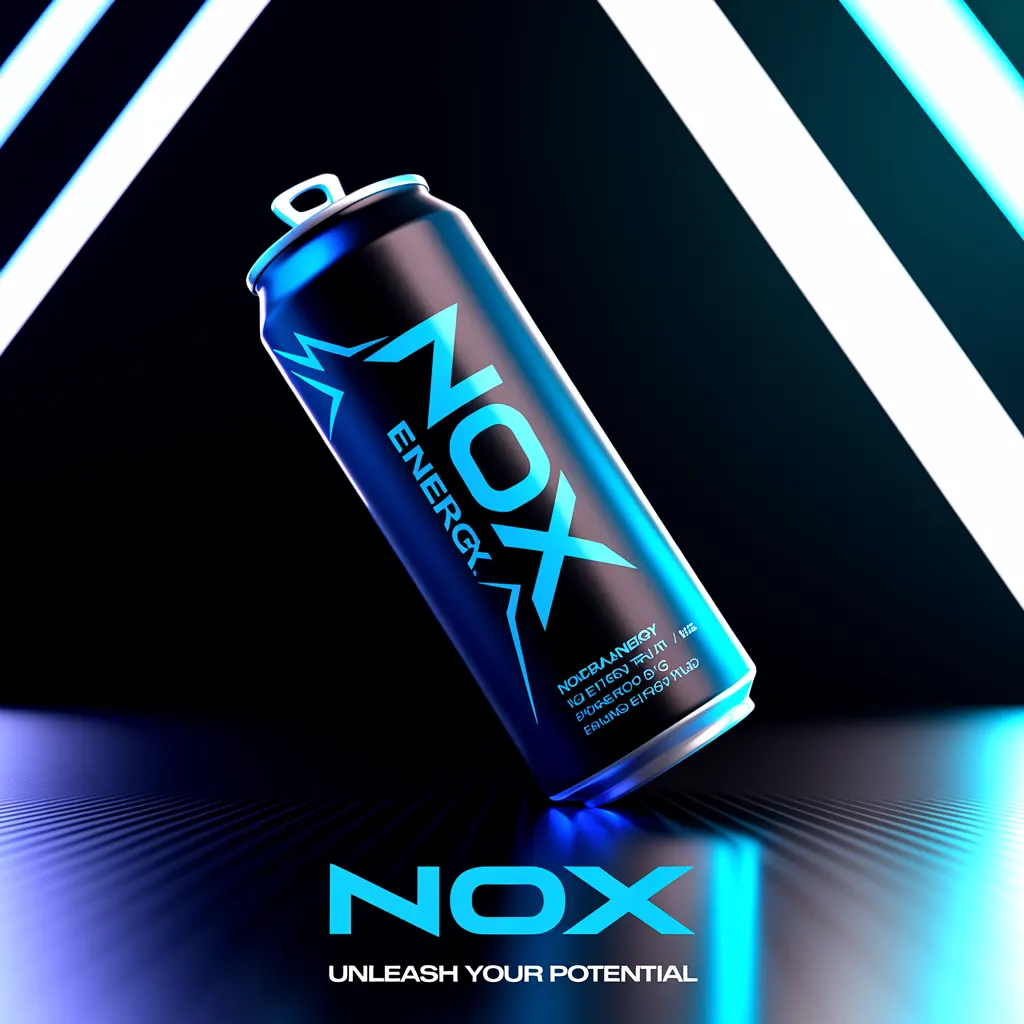
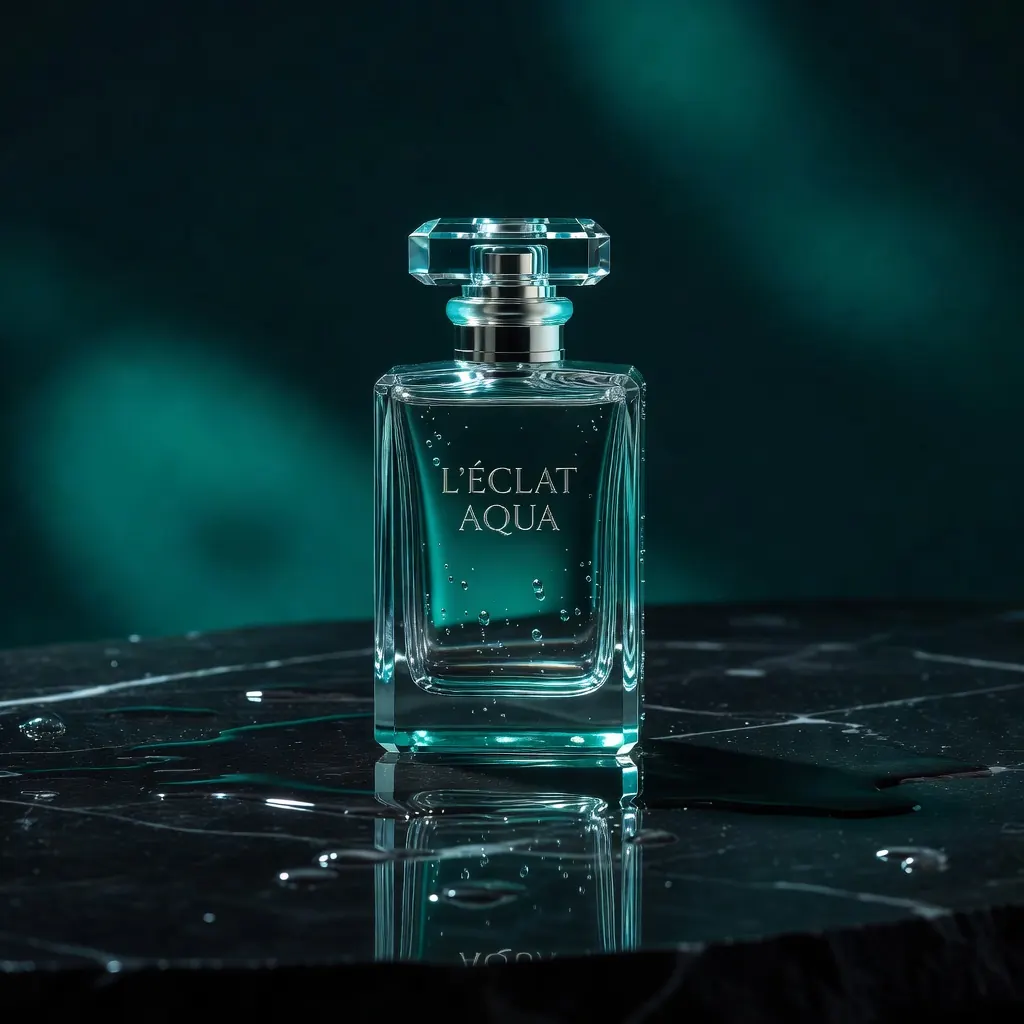
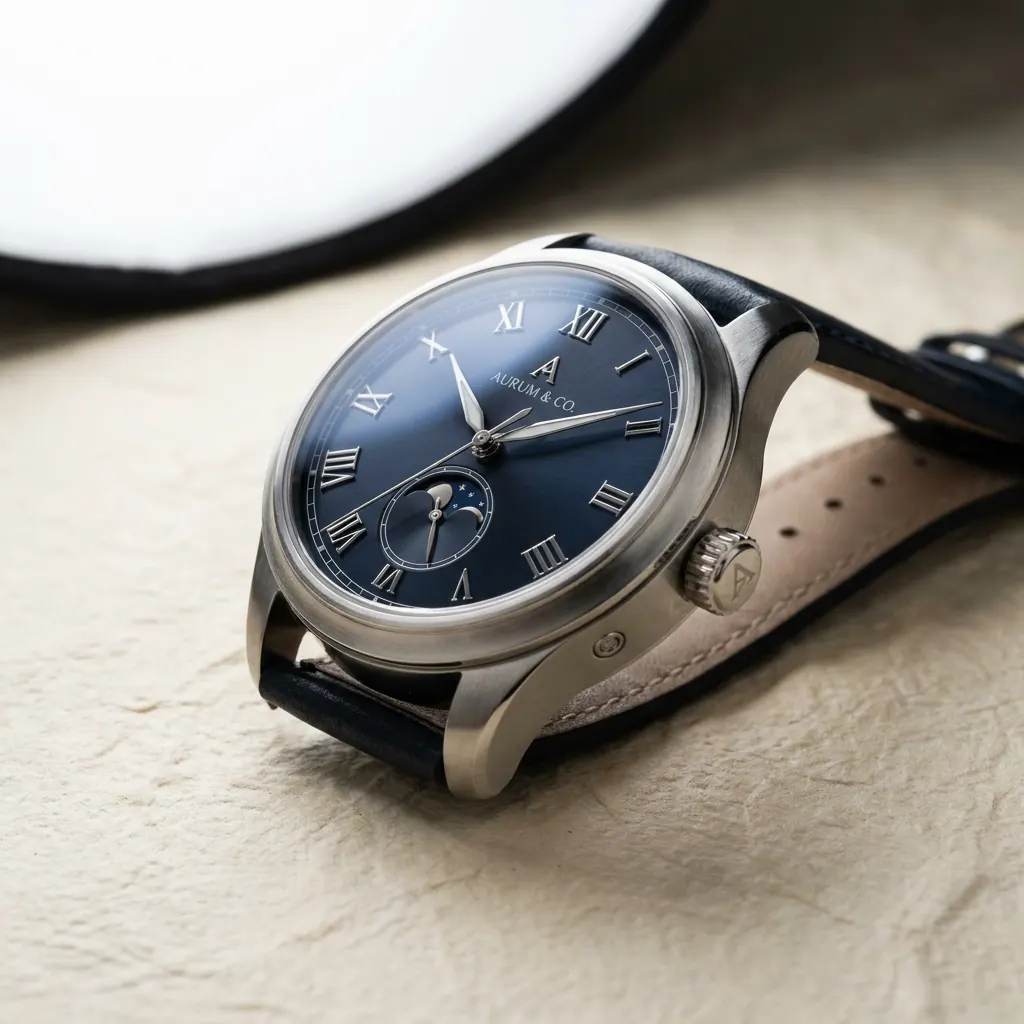





A product photo against a plain background may work on a product page. In a paid social feed, it is competing with videos, opinions, memes, and a hundred other buying decisions. Learning how to create product ads starts with treating every creative asset as a short, focused sales conversation, not a catalog image with copy added at the end.
The strongest ads make three things immediately clear: what the product is, why it matters, and what the viewer should do next. That sounds simple, but getting there requires more than a good-looking visual. You need a clear angle, a format that fits the placement, and enough creative variations to learn what actually moves buyers.
Start With One Buyer Problem
Do not begin with the product's full feature list. Begin with the moment that makes someone want it. A hydration brand might focus on the afternoon energy crash. A skincare brand might focus on makeup settling into dry skin. A kitchen tool might focus on the cleanup buyers dread after dinner.
This problem becomes the ad's creative direction. It tells you which scene to show, what the opening line should be, and which benefit deserves the most space. Ads that try to communicate every feature usually communicate nothing memorable.
Write a one-sentence brief before creating anything: For [audience], this product helps solve [specific problem] by [primary benefit]. Then choose one reason to believe, such as a material, feature, result, review, or demonstration. This gives the ad a commercial center.
The audience also changes the execution. A founder shopping for software may respond to time saved and proof of performance. A consumer buying a beauty product may need to see texture, application, and a finished look. The product can be the same, but the reason to stop scrolling is different.
How to Create Product Ads Around a Single Angle
An angle is the specific promise that turns a product into a reason to act. It is not a slogan. For example, a travel bag can be positioned around fitting under an airline seat, keeping work gear organized, or replacing an overpacked weekend suitcase. Each angle requires different visuals and copy.
Choose one primary angle per ad. Strong options include a before-and-after transformation, a fast demonstration, a problem-and-solution moment, a social-proof story, a comparison, or a limited-time offer. The right choice depends on the product and where the customer is in the buying process.
For cold audiences, lead with a problem, outcome, or surprising demonstration. For people who have already viewed the product, a customer quote, product detail, bundle, or offer may work better. A discount can create urgency, but it cannot fix a vague value proposition. If the ad only works when the price is slashed, revisit the angle.
Build the Visual for the First Two Seconds
Most product ads earn or lose attention before viewers read the supporting copy. Your opening frame should show the product in use, the result it creates, or a visual tension the viewer recognizes.
A simple product packshot can work for a well-known brand or a highly visual item. For most campaigns, context performs better. Show the coffee maker solving a rushed morning. Show the shoe on a rainy commute. Show the organizer turning a cluttered drawer into a usable space. Context helps buyers imagine ownership.
Keep the product visible early and often. Lifestyle scenes can establish aspiration, but do not let them become generic stock content where the item disappears. Make sure product shape, color, scale, and key details remain accurate. Creative polish is valuable, but misleading imagery creates returns, complaints, and weak long-term performance.
For image ads, use one visual focal point and readable text. For video, open with motion or a clear change: a stain lifting, a drawer closing, a bulky item compressing, or a side-by-side comparison. The first scene should make sense with the sound off.
Write Copy That Completes the Visual
Product ad copy should not narrate what the viewer can already see. If the video shows a blender crushing ice, the headline does not need to say, Powerful Blender. Use the text to add the benefit, proof, or action: Smooth drinks in 30 seconds, or Built for frozen fruit, not just soft berries.
A useful structure is hook, benefit, proof, action. The hook earns attention. The benefit answers why it matters. Proof gives the claim weight. The action tells the buyer what happens next.
Keep on-screen copy short, especially for vertical video. One thought per frame is easier to process than a block of text. Captions still matter because many users watch without audio, but captions should support the story rather than cover the product.
Claims need discipline. Avoid promises you cannot substantiate, particularly around health, financial outcomes, performance, or comparisons. Specific, supportable language often converts better anyway. Instead of saying best sleep ever, say designed to block light at the nose bridge, if that is a real product feature.
Create Variations Before You Spend Heavily
One polished ad is not a campaign. Performance creative improves through structured testing, and testing requires real variations, not tiny edits that no customer would notice.
Create a small set that changes the elements most likely to influence response:
- Different opening hooks: a pain point, a result, a question, or a demonstration.
- Different product settings: studio, home, commute, desk, gym, or retail-style close-up.
- Different proof: ratings, testimonials, feature callouts, expert commentary, or visual comparison.
- Different offers and calls to action: shop now, build a bundle, try the starter set, or see colors.
Keep the rest of the ad relatively stable when testing one major idea. If you change the hook, scene, offer, and audience at once, you will not know what drove the result. Once a concept shows traction, produce more versions of that winner rather than endlessly refining a weak direction.
This is where an integrated creative workflow has a practical advantage. With Nox AI, a team can move from a written concept into product images, short video, voiceover, music, and ad-ready variations in one production environment, instead of passing assets across disconnected tools and handoffs.
Match the Creative to the Placement
Do not force one asset into every channel without adjustment. Vertical placements reward close framing, faster pacing, large captions, and native-feeling footage. Feed ads can hold more detail, while display placements often need a simpler visual hierarchy. A product demo that works in a 20-second social video may need a different opening and tighter message as a six-second placement.
Make versions for the environment where they will appear. Check safe areas so key text does not sit behind interface elements. Review the first frame as a static image, because some viewers will only give you that fraction of attention. And use sound as an amplifier, not a requirement. Voiceover, music, and sound effects can add energy, but the ad should still communicate without them.
Measure the Right Signal at the Right Stage
Do not judge every product ad only by immediate purchases. A new creative concept can earn strong attention but need a better landing page, price point, or retargeting sequence to convert. Look at the full path.
Early indicators include thumb-stop rate, video hold, click-through rate, and cost per landing-page view. Conversion rate, cost per acquisition, average order value, and return rate show whether the creative is attracting the right customers. A high click-through rate paired with poor conversion may mean the hook overpromises or the product page fails to continue the ad's promise.
Use the data to make a creative decision, not just a reporting decision. If viewers drop after the first three seconds, test a stronger opening. If they engage with a feature but do not buy, add proof or clarify price and use case. If a testimonial version converts, build more ads around customer language.
The goal is not to find one permanent winner. Product ads fatigue, audiences shift, and promotions change. Build a repeatable production rhythm where fresh concepts, clear testing, and accurate product storytelling keep the next strong ad within reach.