

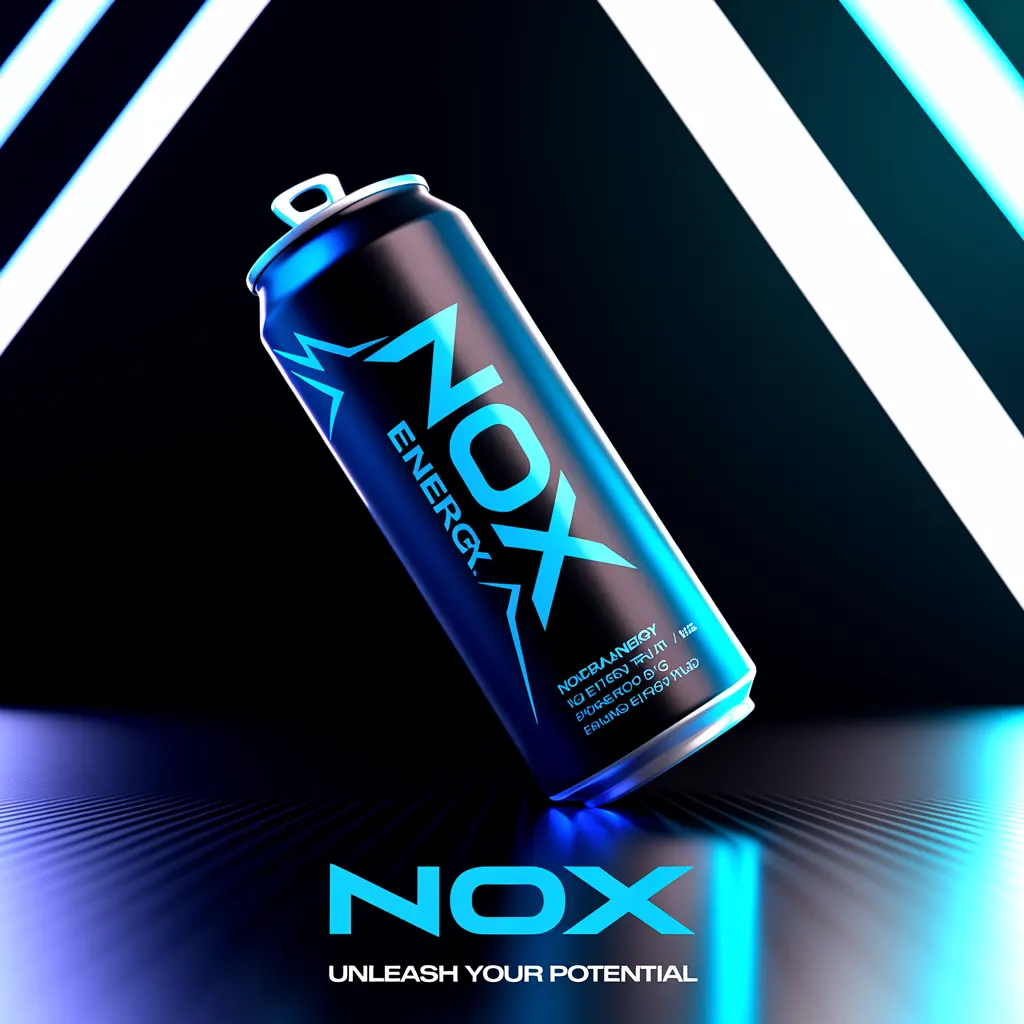
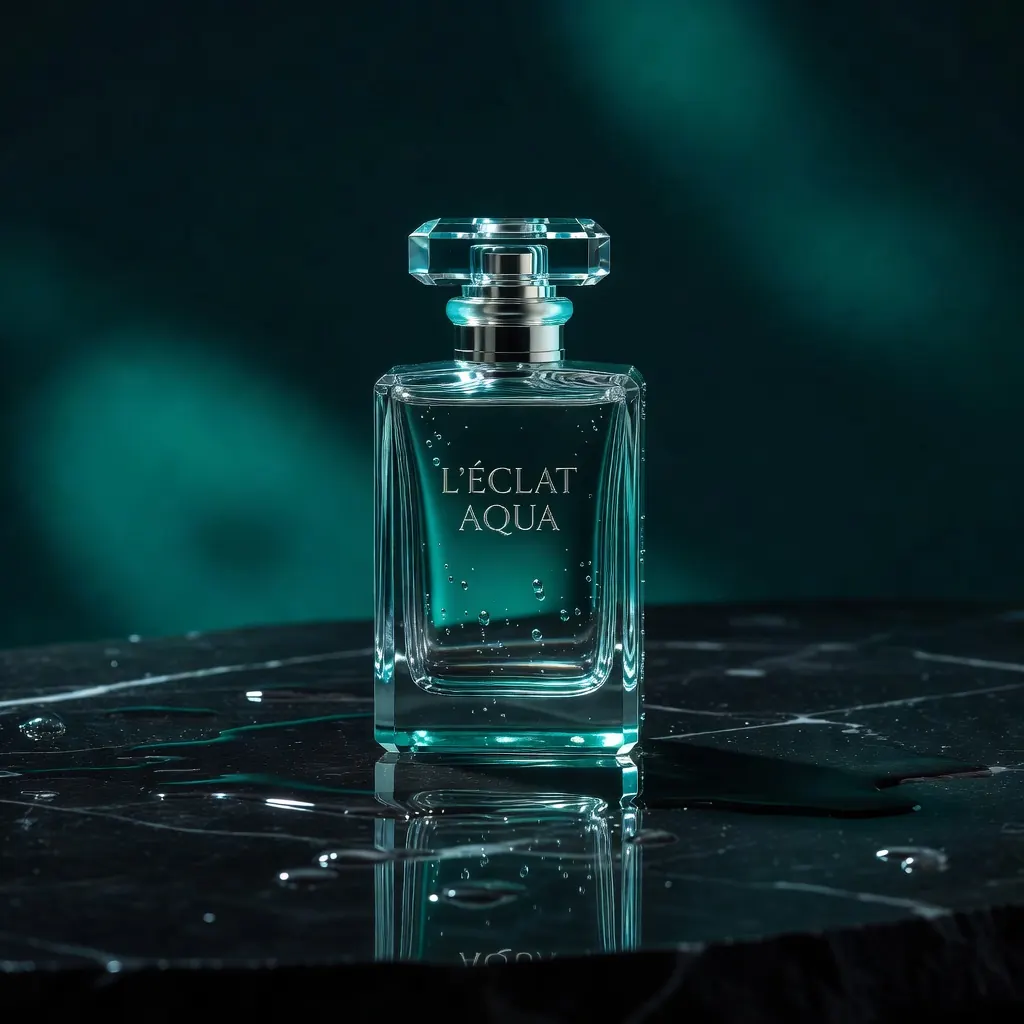
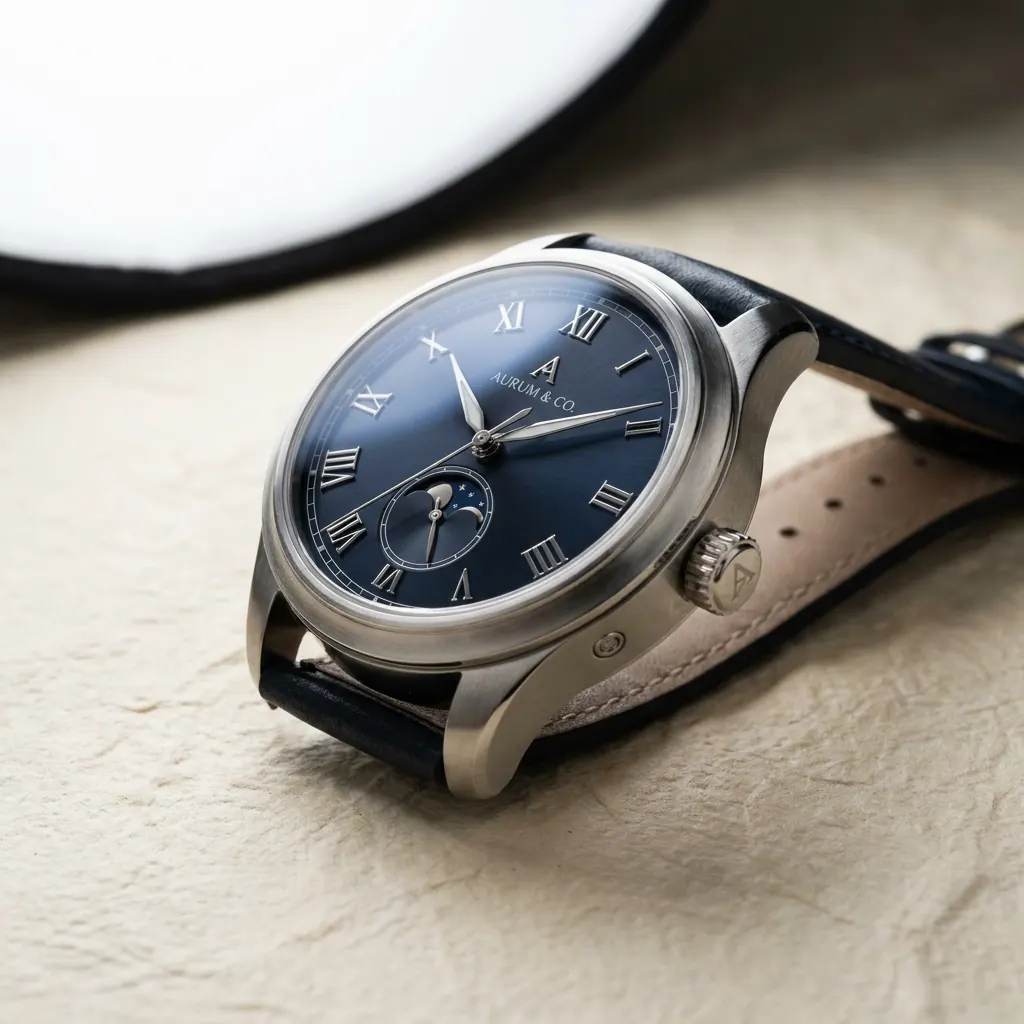





A winning product page cannot rescue an ad people scroll past. The best ecommerce ad creative examples earn the first second with a clear visual, then make the purchase feel easy, credible, and worthwhile. They do not try to say everything at once. They show the right proof for the audience, platform, and stage of awareness.
For ecommerce teams, that distinction matters. A polished product shot may work for a warm retargeting audience that already understands the category. Cold audiences may need a problem, a comparison, or a real customer reaction before they care about the product itself. The creative job is to reduce uncertainty fast.
What strong ecommerce ad creative actually does
High-performing creative usually answers one customer question at a time: What is this? Why should I care? Will it work for someone like me? Why buy now? A single ad can include more than one answer, but one should lead.
That is why volume alone is not a strategy. Producing 30 near-identical color variations gives an ad account little to learn from. Producing distinct creative angles gives your team useful signals about which message moves shoppers. Start with a product truth, then build executions around the objections, desires, and situations that make that truth valuable.
12 ecommerce ad creative examples to model
1. The problem-first demo
Open on the frustrating moment your buyer recognizes immediately: a leaking water bottle in a gym bag, a cluttered counter, a pet that pulls hard on a leash. Then show the product solving it in the same frame sequence. Keep the setup brief. The payoff is the product in use, not a dramatic storyline.
This format works especially well for products with a visible function. If the benefit is hard to see, such as better sleep or improved skin texture, pair the demonstration with a specific, believable claim rather than trying to force a visual metaphor.
2. The before-and-after transformation
Transformation creative gives shoppers a fast reason to care. A closet becomes organized, a dull room gains color, or a routine gets simpler. The contrast should be honest and easy to understand without sound.
Use this carefully in regulated categories. Beauty, wellness, fitness, and financial claims can face platform restrictions and customer skepticism. When direct results are sensitive, show a routine, experience, or environment change instead of making exaggerated personal outcome claims.
3. The creator-style first impression
A creator holds the product, speaks directly to camera, and shares what surprised them after trying it. This format works because it resembles the content people already choose to watch, especially in vertical video feeds.
The useful version is specific. “I love this” is weak. “I expected the battery to last a day, but it made it through a four-day trip” gives the viewer something to evaluate. Build several openings around different benefits, not just several creators reading the same script.
4. The visual comparison
Put the old way next to the better way. Compare a bulky travel bag with a compact organizer, a standard desk setup with an ergonomic upgrade, or a generic snack with a more convenient option. Comparison creative makes the value feel concrete because shoppers can see the trade-off.
Avoid naming competitors or making unsupported performance claims. Often, the strongest comparison is not brand versus brand. It is your product versus the hassle customers have accepted until now.
5. The unboxing and tactile close-up
Textures, clicks, packaging details, and first-use moments can carry an ad when a product has strong physical appeal. Think fabric drape, a satisfying magnetic closure, a clean pour, or a close-up of premium materials.
This is particularly effective for accessories, food, beauty, home goods, and giftable products. It works less well when customers need to understand a complex functional advantage. In that case, use tactile footage as the hook, then add a clear demonstration or benefit statement.
6. The customer review in motion
Turn a real review into a visual story. Display the customer quote while showing the product in the context it describes. If a customer says a backpack finally fits their daily commute, show the packing process and the walk to work.
This approach adds social proof without asking viewers to read a wall of screenshots. Keep reviews authentic, lightly edited, and attributable where possible. A believable detail beats a perfect-sounding testimonial every time.
7. The use-case montage
One product can mean different things to different buyers. A portable light might be useful for camping, power outages, late-night dog walks, and car emergencies. A fast montage lets you show that range without making four separate ads.
There is a trade-off: broad use cases can dilute the message. Use montages for versatile products, then create dedicated versions for the highest-value customer segments. The camping version may outperform the general version when targeted to outdoor audiences.
8. The founder explains the difference
Founder-led creative is valuable when the product has a real origin story, unusual materials, or a category insight that needs context. The founder should explain one sharp point: why the formula changed, why the product was designed differently, or why a common alternative falls short.
Do not turn this into a company history lesson. The customer remains the main character. A founder appearance should make the purchase feel more informed, not more corporate.
9. The offer-led static ad
Not every effective ad needs video. A clean static image with the product, a benefit-focused headline, and a time-bound offer can convert efficiently, particularly for retargeting or proven products. Its strength is speed of comprehension.
The design needs discipline. Make the product large, the message readable on a phone, and the offer secondary to the reason to buy. A discount can create urgency, but it cannot compensate for unclear value.
10. The carousel that answers objections
Each carousel card can handle one objection: sizing, ingredients, compatibility, shipping, setup, or durability. Start with the core promise, then let each swipe remove friction.
This is a strong format for products that need a little education before purchase. It also creates a useful testing framework. If one card consistently improves engagement, that objection may deserve its own video or landing-page section.
11. The seasonal scenario
Seasonal ads work when the product has a natural place in a real moment: holiday hosting, back-to-school routines, summer travel, moving day, or a rainy-weekend project. The product should feel like a useful answer within the scenario, not like it was pasted onto seasonal decorations.
Plan these early enough to test before demand peaks. The same product can be repositioned across the year, but the visual context, opening line, and offer should change with the occasion.
12. The benefit-led product film
For a premium or highly visual item, a short product film can build desire through lighting, movement, sound, and controlled detail. Lead with the most distinctive feature, then move through two or three supporting benefits. This is where polished brand creative can earn its place.
Production quality should fit the brand and price point. A luxury watch needs a different visual language than an everyday cleaning tool. Still, polished does not mean vague. Even cinematic ads need a clear reason to buy.
Build variations around angles, not minor edits
The most practical production system starts with a creative brief containing the product, audience, primary pain point, desired outcome, proof, and call to action. From that brief, create multiple formats around different angles: a creator review, a comparison, a product demo, and a static offer. Then vary hooks within the strongest format.
This is where an integrated workflow saves time. With Nox AI, a team can move from a text concept to product visuals, short-form video, voiceover, music, and finished ad variations in one creative workspace. The goal is not to replace judgment with generation. It is to spend less time coordinating production and more time testing messages that can drive revenue.
Track more than click-through rate. A curiosity hook can win clicks while attracting shoppers who never buy. Compare creative against conversion rate, cost per acquisition, average order value, and performance by audience temperature. Let each result inform the next batch rather than treating creative as a one-time launch task.
The next ad does not need a bigger idea. It needs a sharper answer to the question your best customer is asking right before they decide to keep scrolling or buy.